
National Archaeological Museum of Thessaloniki


The Benaki Museum of Greek Culture is housed in one of the most beautiful neoclassical-style buildings in Athens, near the National Garden and the Hellenic Parliament. It was converted into a museum in order to shelter the collections of Antonis Benakis and was donated to the Greek nation by himself and his three sisters, Alexandra, Penelope and Argine. Following its refurbishment (1989–2000), the building houses a unique exhibition on Greek culture arranged diachronically from prehistory to the 20th century.
Galleries 33-36 on the third floor of the permanent exhibition refreshed and enriched with new exhibits, tell the story of modern Greece from the years just before the Greek Revolution to the Second World War.
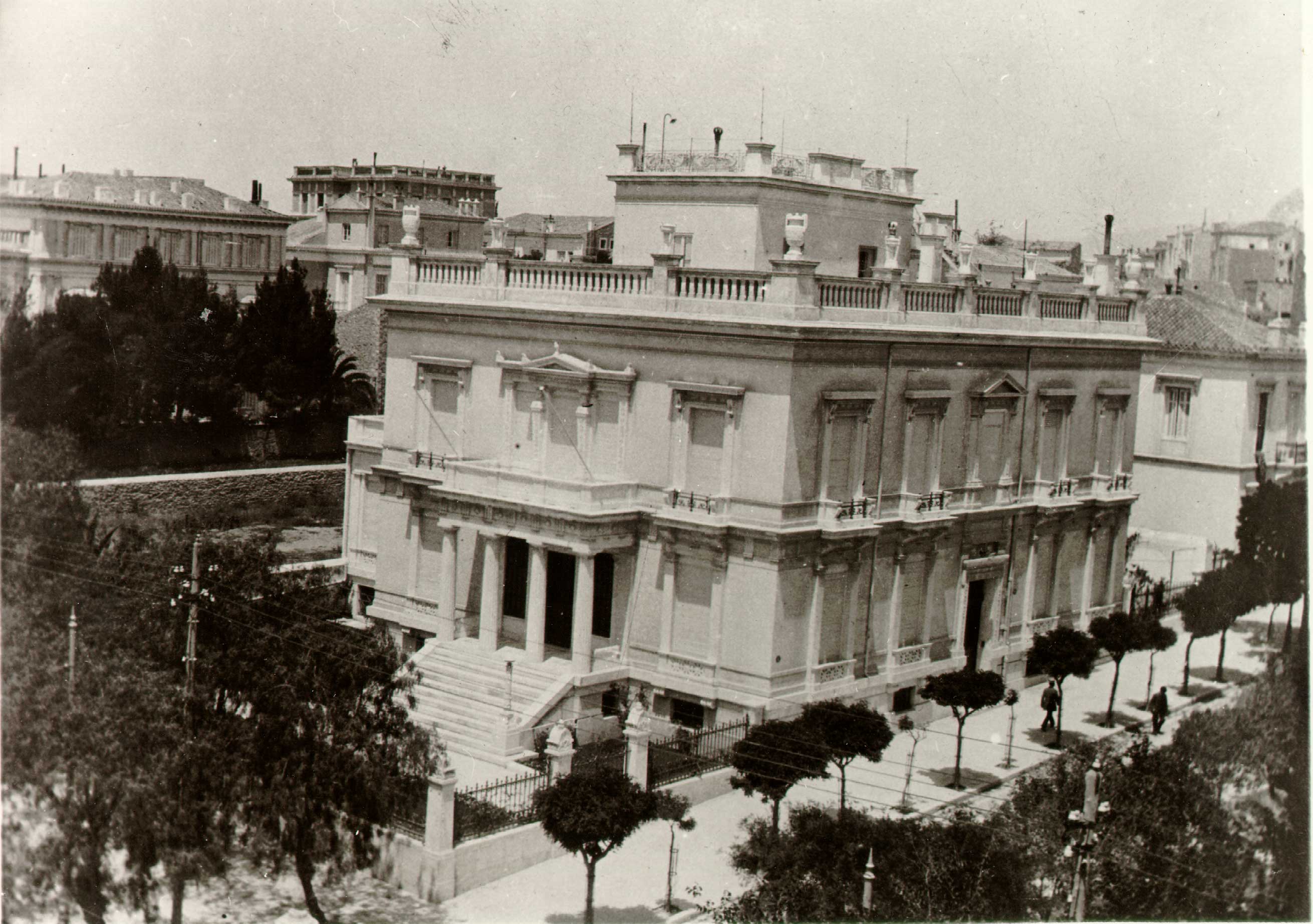
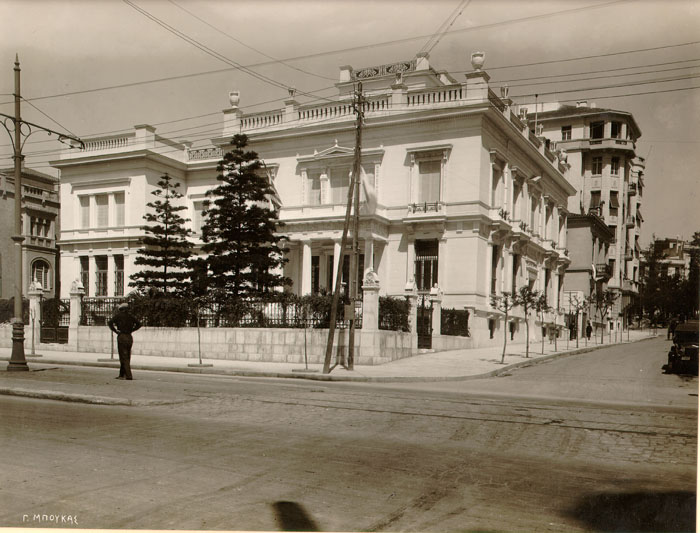
A modest edifice was the original core of the building complex. The first enlargement, including substantial alterations, was designed by Anastasios Metaxas in 1911 after the building was purchased by Emmanuel Benakis, Antonis’s father. Additions included an external staircase and a Doric porch in marble leading up to the Vass. Sofias Ave. entrance front as well as the main façade ornamentations. The next extension was done in 1930 with the aim to convert the building into a museum housing Antonis Benakis’s Greek and Islamic art collections as well as a collection of Chinese ceramics. Further extensions in 1965, 1968 and 1973 proved necessary for accommodating the ever-expanding body of donations. After its 1989–2000 expansion and remodelling, the building houses the Benaki Museum collection of Greek art and material culture, the ‘Spyridon & Eurydice Costopoulos Gallery’ for temporary exhibitions, the Library and various museum operations and offices.
The initial core is erected of the Benaki building complex, known as the Harokopos Mansion, a simpler structure than the present-day one.
The building is purchased by Emmanuel Benakis in anticipation of his family’s definitive move from Alexandria to Athens.
The building is enlarged with the addition of a ballroom and some necessary auxiliary areas (architect: Anastasios Metaxas, who had designed the restoration of the Panathenaic Stadium).
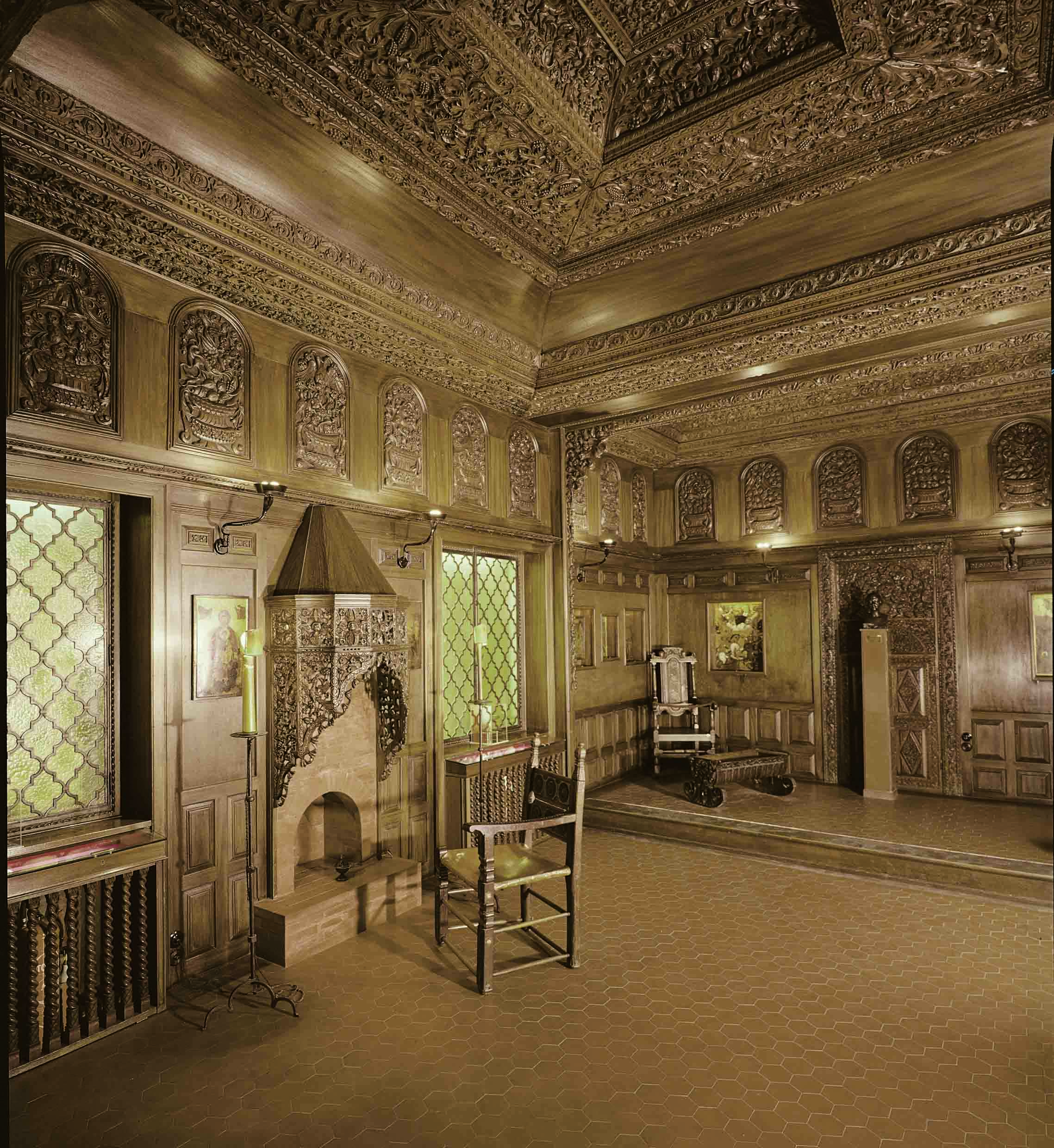
Conversion of the building from a residence into a museum, and to ensure that it would meet the specifications for a Museum, an additional wing was added beside the ballroom (architect: Anastasios Metaxas).
The exhibition areas were enlarged in order to house the historic artifacts of Eleftherios Venizelos in the basement and the collection of Damianos Kyriazis on the first floor (architect: Emmanuel Vourekas).
Further extension of the building to accommodate the exhibition of the major donation by Eleni Stathatou in the basement (architect: Emmanuel Vourekas).
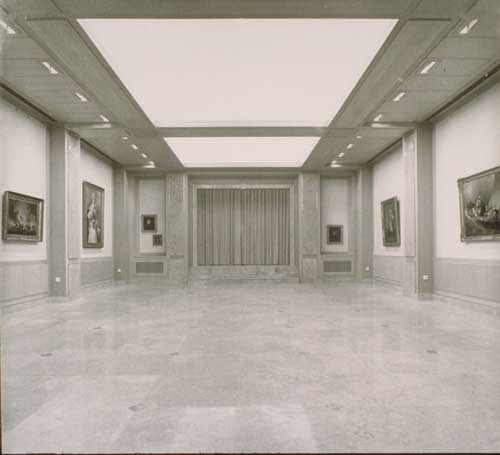
The Stamatios Dekozis-Vouros Foundation financed the addition of a new wing, with halls for lectures, temporary exhibitions and a snack bar (architect: Emmanuel Vourekas).
The large-scale enlargement of the building complex began on the north side of the lot with the addition of a new wing with three basements and five floors, at the level of and over the additions of 1968 and 1973 (architects: Alekos and Stephanos Kalligas).
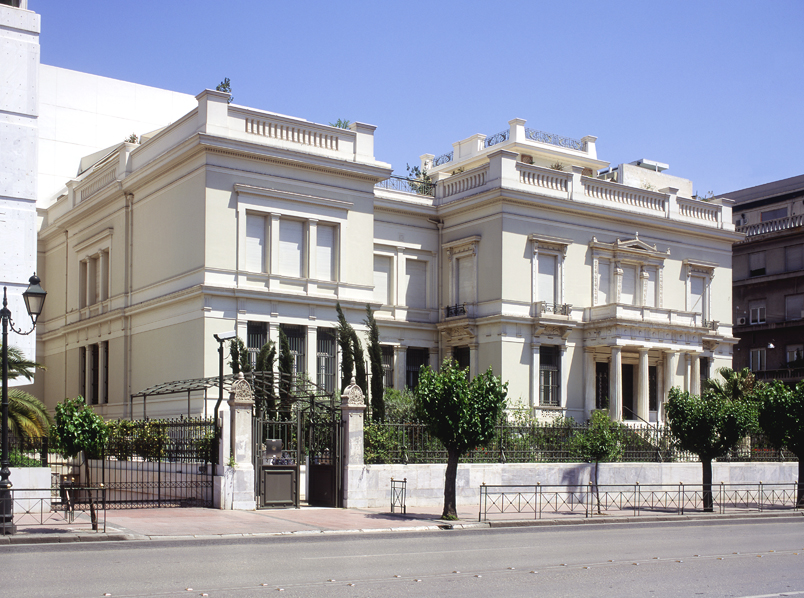
Completion of the project to enlarge the building, doubling the usable Museum space (7000 m2) which, in addition to the two storage basements in the new wing, is distributed over five unified internal levels.
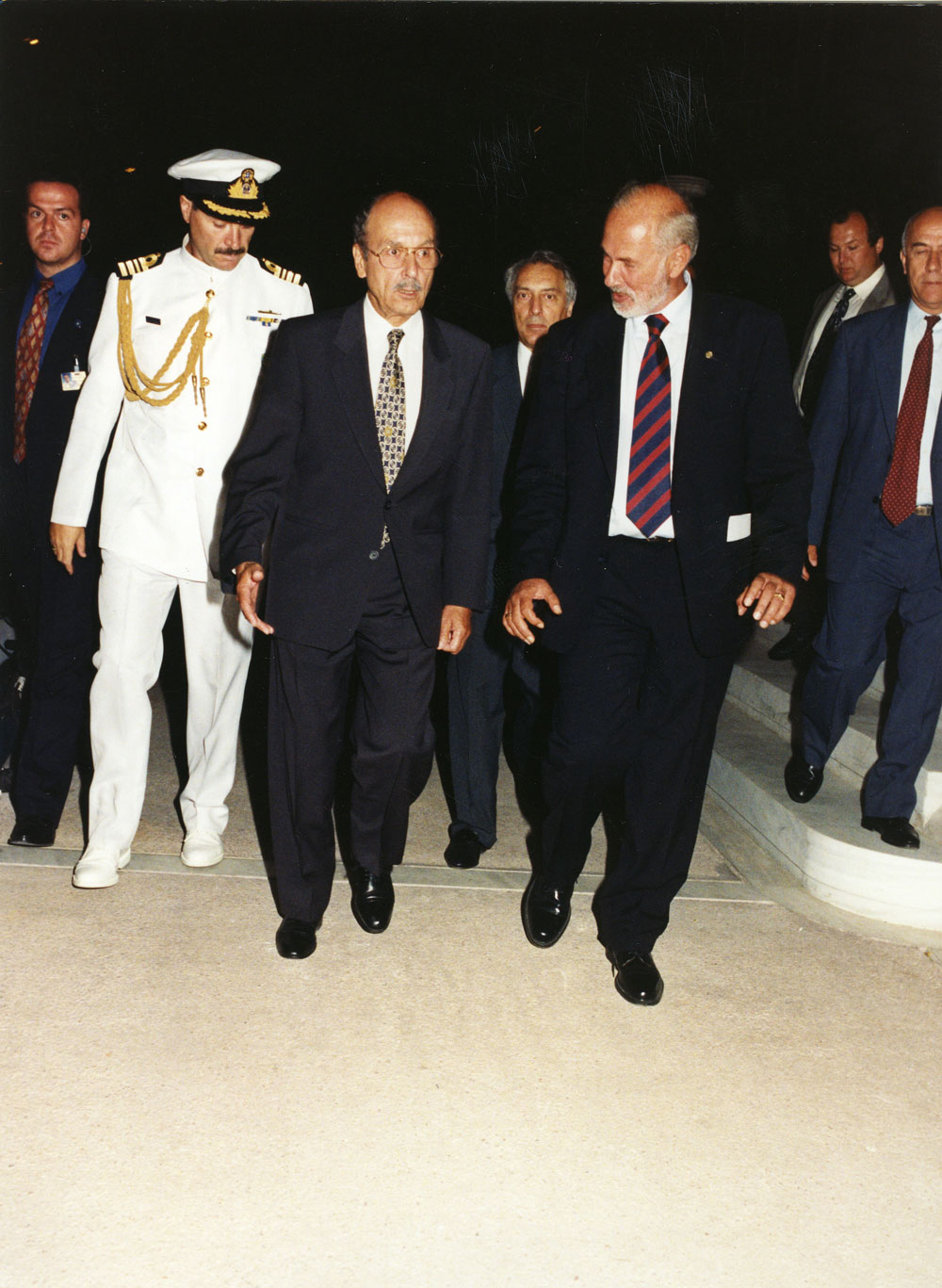
Reopening of the Museum with the new exhibition of the Greek Collections that was officially opened on 7th June by the President of the Republic Constantinos Stephanopoulos.


